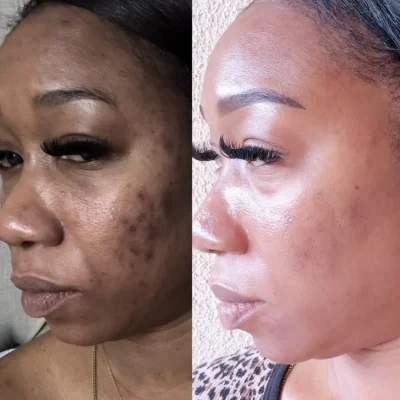
Acne is a common skin condition that affects millions of people. It most commonly appears during the teenage years. Acne can damage the skin and cause scarring. It occurs when hair follicles become clogged with oil, bacteria, and dead skin cells. Follicle blockage can cause pimples, whiteheads, blackheads, and inflamed cysts. Acne most commonly appears on the face but can also affect the shoulders, chest, back, and other body parts.
Acne and its scars have a physical and emotional impact on people. OGE Aesthetics & Wellness in Burbank, California, provides comprehensive acne treatments. These treatments aim to clear existing breakouts, prevent future flare-ups, and improve your skin's health and appearance.
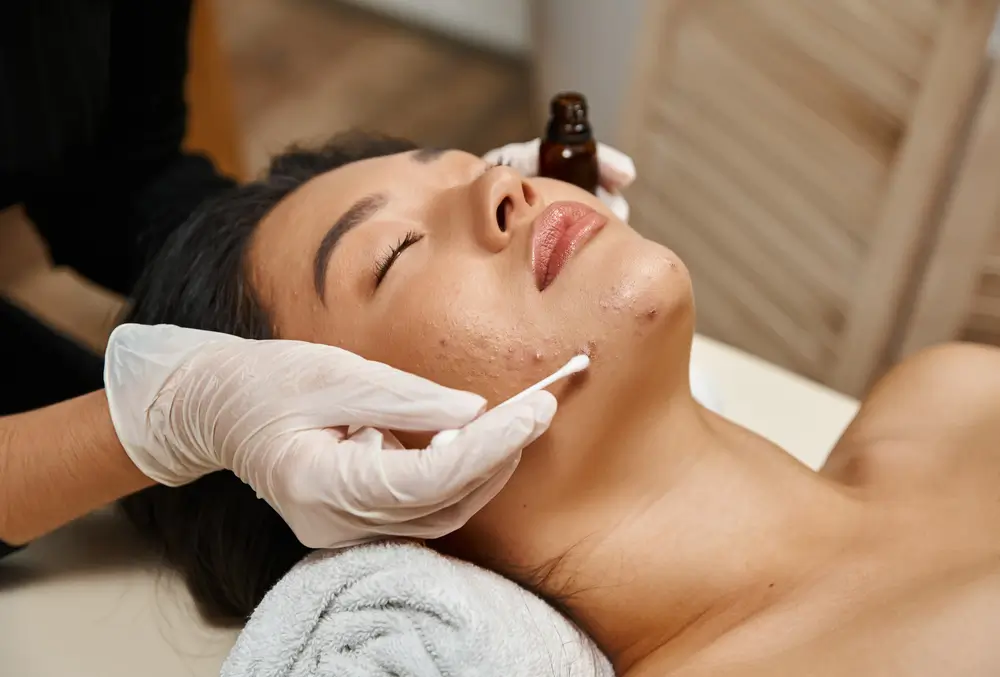
Your skin has various glands that empty into your hair follicles. Hair follicles are small tubes that hold a strand of hair. When too much material is inside your hair follicle, a clog can cause acne. Your pores can clog with sebum (oil produced by skin glands), bacteria (naturally live on your skin), or dead skin cells (skin sheds dead cells to make room for new cells to grow).
Many things can trigger acne and make it worse, such as hormones, medications, stress, diet, and lifestyle. Androgen hormones become active during the teenage (puberty) and young adult years. It can enlarge the sebaceous glands and produce more sebum(oil). This also occurs around the time of your period due to hormone activity. Hormonal changes can cause acne in women during pregnancy, known as adult acne.
Some medications can also cause acne, such as lithium, hormonal birth control, anticonvulsants, and steroids. Using oily or greasy lotions and creams can cause breakouts. Acne breakout is also related to diet. Eating carbohydrate-rich foods like bread, chips, and bagels may worsen acne. Stress doesn't cause acne, but it may worsen if you already have it.
Acne treatment may include topical medications, chemical peels, and cortisone shots. The doctor will evaluate your condition to find the right treatment for you.
This BHA is derived from willow tree bark. It is one of the best treatments for acne scars. It is used to clear and unclog the hair follicles or pores. Salicylic acid penetrates the skin, targets acne-causing bacteria, and reduces swelling and redness. It also can aid in fading acne scars by stimulating the growth of new, healthier skin cells and improving skin texture. Salicylic acid dissolves dead skin cells to prevent your hair follicles from clogging.
This AHA is derived from sugar cane. It is water-soluble and known for its small molecule size. Glycolic acid can penetrate the skin deeply and exfoliate it. This exfoliating process removes the skin's outer, rough, and dull layer to reveal the smoother, younger-looking skin beneath. Glycolic acid aids in the fading of acne scars by replacing old skin with new cells. It can also help unclog pores by removing debris and dead skin cells that can build up, cause breakouts, and develop blackheads or whiteheads
Kenalog injections are used to treat severe and deep-tissue acne. Cysts or nodules develop on the face or other areas in severe acne. Cysts and nodules are difficult to remove with common acne treatments. Kenalog injections shrink inflamed tissue and reduces the chance of scarring, which is especially valuable if you are prone to hyperpigmentation (darkening skin) after a breakout. They can also be used to treat keloids that may develop from scar tissue.
A chemical peel is a combination of compounds that together heal active acne and improve the look of acne scars. The solution is applied to your skin, which causes controlled exfoliation and eventually peeling away of dead skin cells and exposing the smoother, brighter, and more even toned skin underneath. Depending on your skin conditions, you may need a light or more intense chemical peel and may need more than 1 treatment to achieve your skin goals.
This treatment is particularly effective for acne scars. A device with ultra-fine needles creates controlled micro-injuries on the skin’s surface, breaking up scar tissue and replacing it with collagen and elastin. This process jumpstarts your skin’s natural healing response, promoting a reduction in appearance of scars and hyperpigmentation and leaving smoother, firmer skin in its wake.
The face, chest, and neck are the common areas for treatment to get an even and appealing appearance.
Salicylic acid starts working in 2-3 weeks and takes two months to show full effect. It will take a month to see the results of Glycolic acid.
Salicylic acid results may last 6-8 weeks, while glycolic acid lasts one to six months.
It may cause irritation, redness, stinging, or burning sensations, which disappear within hours.